07.01.26
The World Cup Effect: How One Tournament Changes Marketing, PR, and Social Media
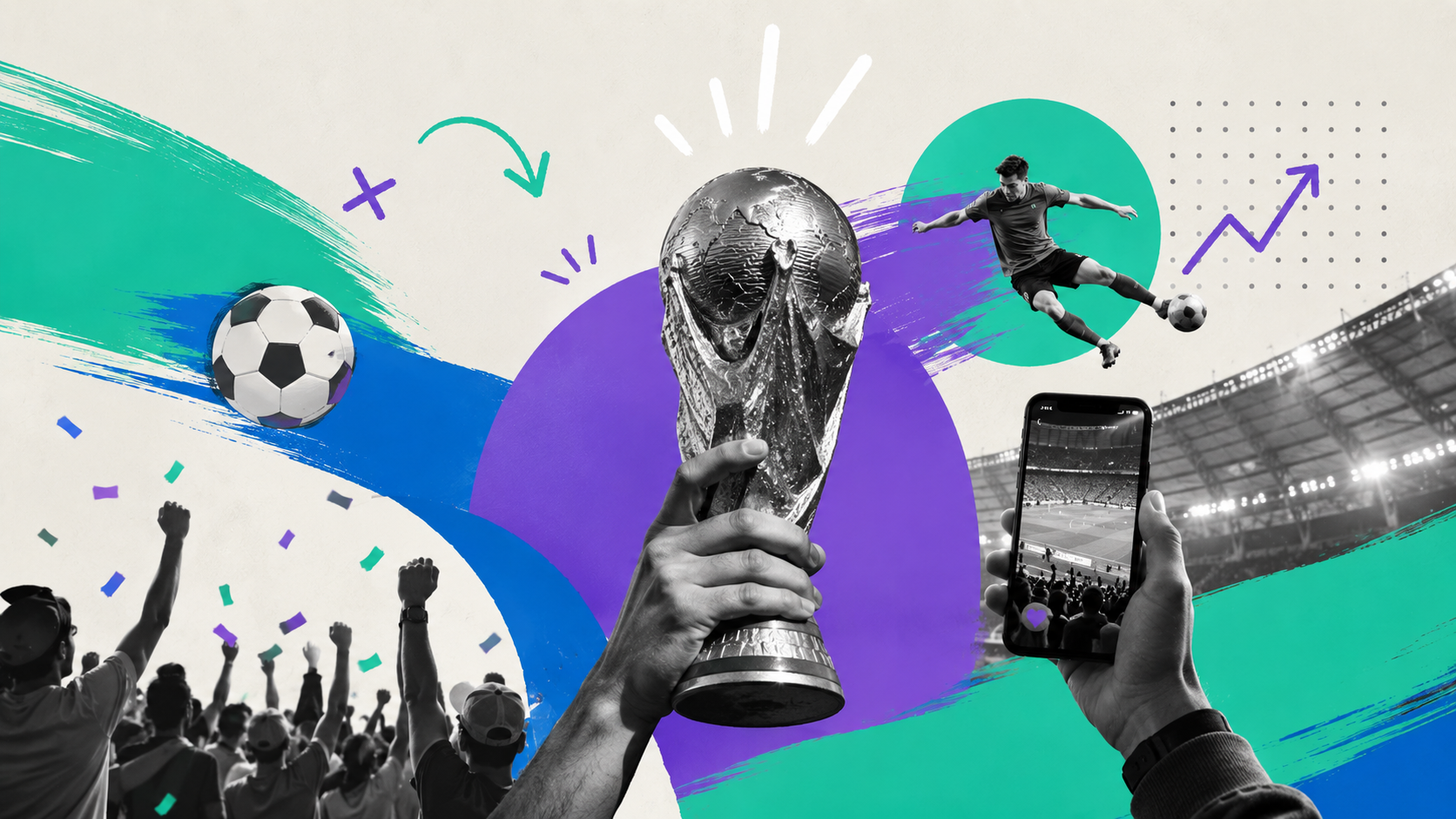
Every four years, the world comes together to watch the biggest sporting event on the planet. But while the action is happening on the field, another competition is unfolding online.
The FIFA World Cup is more than a soccer tournament. It’s a global cultural moment that influences how brands market, how public relations teams tell stories, and how social media conversations take place. For a few weeks, billions of people are focused on the same event, creating an attention economy like no other.
For marketers, PR professionals, and social media teams, the World Cup isn’t just a sporting event. It is a masterclass at capturing attention at scale.
The World’s Largest Shared Conversation
One of the most unique aspects of the World Cup is its ability to unite audiences across countries, cultures, and demographics. In today’s fragmented media landscape, it is increasingly rare for so many people to focus on the same thing at the same time.
This creates an enormous opportunity for brands. Whether someone is watching from London, Boston, Tokyo, or Argentina, they are often engaging with the same highlights, reactions, memes, and storylines.
For marketers, that level of shared attention is insane. It provides a chance to participate in conversations that are already happening rather than trying to create new ones.
The World Cup Changes More Than Marketing Plans
While marketers, PR teams, and brands spend months preparing for the World Cup, the tournament also changes the lives of everyday people in ways few other events can.
Fans save for years to travel across the world to attend matches. Some spend thousands of dollars on flights, hotels, and tickets just to watch their country play for 90 minutes. Others take time off work, wake up at odd hours to watch matches in different time zones, or gather with friends and family at local bars and watch parties.
For many people, the World Cup becomes a series of firsts. It might be their first international sporting event, their first trip abroad, or the first time they’ve experienced the energy of thousands of strangers coming together to support a common cause. Even those watching from home often build traditions around the tournament, creating memories tied to specific games, goals, and moments.
This level of emotional investment is exactly what makes the World Cup so powerful from a marketing and communications standpoint. Brands aren’t simply attaching themselves to a sporting event. They are participating in moments that people will remember for years to come. The campaigns, stories, and content that resonate most are often the ones that understand the human side of the tournament and the emotions that come with it.
Real-Time Marketing Takes Center Stage
The World Cup has become one of the biggest stages for the social media world. Goals, upsets, celebrations, and unexpected moments can dominate social feeds in seconds. Brands that are able to react quickly often find themselves earning significant visibility and engagement.
However, the brands that perform the best aren’t simply posting for the sake of joining the conversation. They understand the difference between relevance and interruption. The most successful campaigns feel authentic to both the brand and the moment.
The tournament consistently demonstrates how speed, creativity, and cultural awareness can outperform even the largest advertising budgets.
From The Field To The Feed
One of the biggest changes since the early days of the World Cup is the role athletes have on social media.
Today’s players are no longer dependent on traditional media coverage to build their personal brands. They have direct access to millions of followers through Instagram, TikTok, YouTube, and other platforms.
During the World Cup, athletes often generate headlines not only through their performance on the field, but also through the content they share, the partnerships they promote, and the communities they have built online.
For brands, this has shifted the marketing landscape. Sponsoring a tournament is no longer the only way to gain visibility. Partnering with influential athletes and creators can provide access to highly engaged audiences throughout the event.
The World Cup Is A Creator’s Dream
The World Cup has evolved far beyond what happens on the field. Today, some of the most engaging content comes from creators who aren’t playing in the tournament at all.
Travel influencers document their journey, lifestyle creators share game-day experiences, and sports creators break down the highlights, reactions, and storylines to millions of followers. Even creators with no direct connection to soccer often find ways to participate in the conversation because the event becomes impossible to ignore.
For brands, this has created an entire new layer of opportunities. Instead of relying solely on official sponsorships, companies can partner with creators who are already immersed in the experience and speak directly to engaged audiences.
The World Cup demonstrates just how influential creators have become in shaping conversations. They aren’t just reporting on cultural moments. They are helping create them.
The Power of Community and Fandom
Perhaps the biggest lesson marketers can learn from the World Cup is the power of fandom. Fans don’t just support their teams when they are winning. They celebrate victories, endure losses, defend their teams online, and proudly identify with their communities. Their loyalty extends far beyond the tournament itself.
Many brands spend years trying to build this kind of connection with consumers. The World Cup demonstrates that the strongest communities aren’t built through promotions alone. They are crafted through shared identity, emotion, and belonging. People want to be a part of something bigger than themselves, and the tournament provides a powerful example of what that looks like at a global scale.
The Ultimate Attention Economy Event
In many ways, the World Cup represents the ultimate attention economy event. For a few weeks, attention becomes the most valuable currency in the world. Brands compete for it. Media outlets compete for it. Athletes compete for it. Creators now compete for it too.
The organizations that succeed are the ones that understand how to earn attention rather than just simply buying it. Whether through storytelling, community building, real-time engagement, or creative content, the World Cup consistently reveals the strategies that resonate most with modern audiences.
More Than 90 Minutes
The World Cup may be a sporting event, but its influence extends far beyond the pitch.
It shapes marketing campaigns, drives PR narratives, fuels social media trends, and creates some of the most talked about moments on the internet. More importantly, it offers a glimpse into how people engage with culture in real time.
For marketers, PR professionals, and social media teams, the tournament is more than entertainment. It’s a case study in attention, community, and the power of shared experiences. And while only one team can lift the trophy, there are countless lessons that brands can take home from the world’s biggest stage.