04.24.26
The De-Influencing Movement
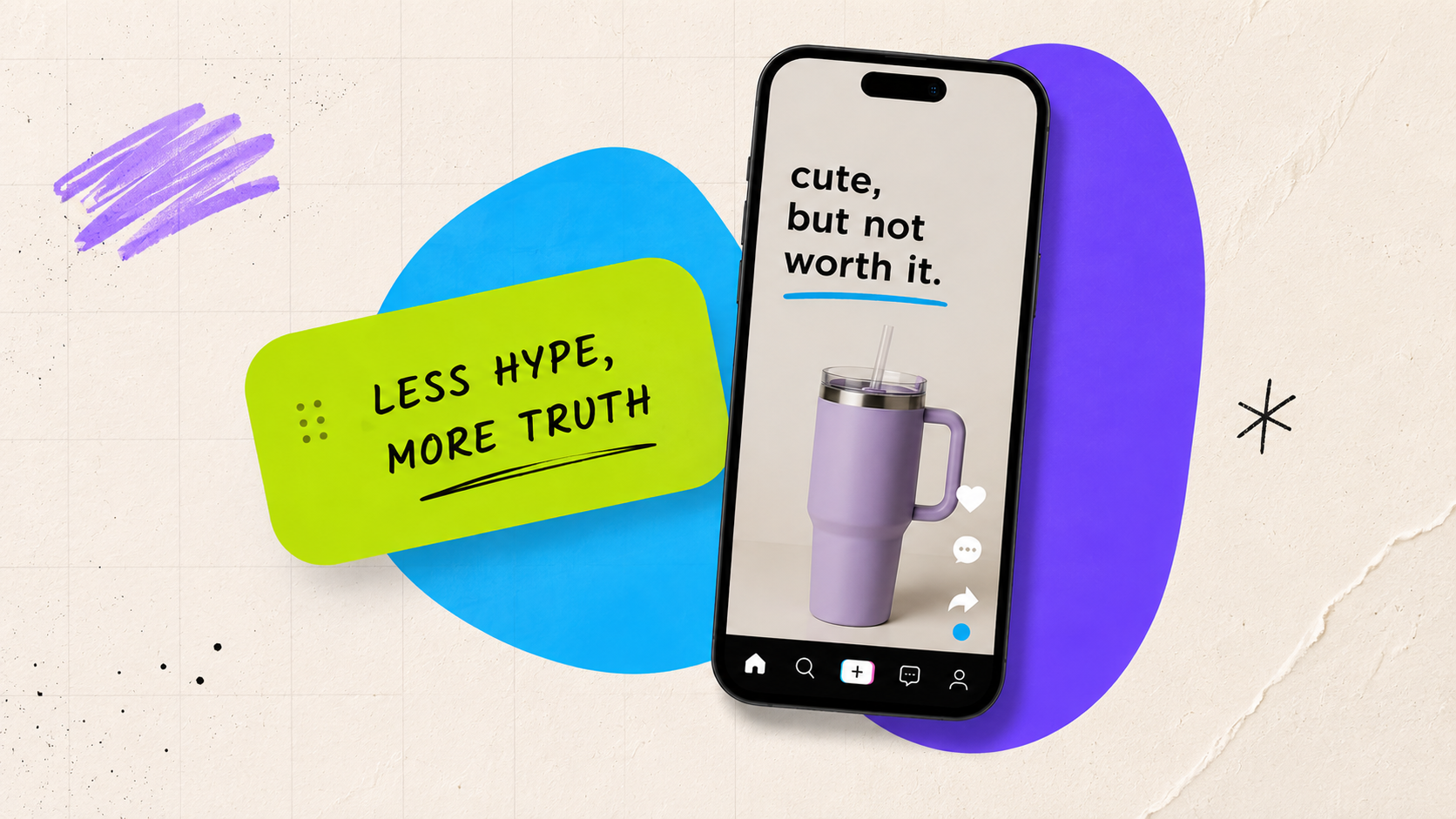
For years, social media has run on aspiration. Perfect routines, perfect skin, perfect homes, perfect edits. The formula was simple: create desire, attach a link, drive conversions. But recently something has shifted.
Creators have started posting videos titled “Don’t Buy This” or “Products I Regret Buying”. Instead of pushing the latest viral item, they began questioning it. Rather than promoting every trending product, creators are becoming more selective about what they recommend. They are taking the time to promote products they genuinely enjoy using rather than just trying to make a sale.
What looks like a trend may actually be classified as behavioral correction and it says a lot about where consumers trust stands today.
From Aspiration to Evaluation
The de-influencing movement gained traction on platforms such as TikTok, where creators began breaking down why certain viral products didn’t live up to expectations, or simply didn’t justify the hype surrounding them. When the Stanley Tumbler frenzy peaked, some creators admitted they liked the product, but there was no reason to start a collection with a goal of owning every single color. For many consumers, that level of accumulation began to feel less like enthusiasm and more like overconsumption.
Beauty creators did a similar thing with luxury products, comparing a $90 cream to a drug store version that performed equally as good if not better for a fraction of the price.
This was not creators trashing or boycotting brands. Instead, it was a shift toward transparency and restraint. They were simply pushing back against excess, and audiences responded accordingly. When creators openly evaluate products rather than automatically endorsing them, their recommendations feel more authentic.
The Economic Reality Behind The Shift
Part of this movement is economic. Consumers are more intentional with their spending. Subscription fatigue is real and impulse buying doesn’t feel as harmless anymore.
Rising costs and tighter household budgets have forced many consumers to reconsider how they spend their money, especially when it comes to nonessential purchases. When creators acknowledge that reality, they feel aligned with their audience instead of positioned above them. This alignment builds trust.
But this shift isn’t just about tighter budgets. It is about smarter consumers. People are no longer purchasing simply because something is trending. They want to know whether it actually delivers value.
Marketing Literacy is Higher Than Ever
Today’s audience understands how influence works. They recognize urgency tactics, scripted enthusiasm, and when someone is selling versus advertising.
Take the rise of “dupe” culture. Instead of blindly promoting high-ticket items, creators now actively search for cheaper alternatives. When a prestige beauty product goes viral, it’s often followed by side-by-side comparisons with affordable brands like e.l.f Cosmetics. Consumers are feeling empowered, not pressured.
Even retailers are adapting. Sephora has leaned into the comparison culture rather than resisting it. Amazon Storefronts are becoming more curated and intentional. Long-term partnerships, like Alix Earle with Poppi or SipMargs, outperform one off sponsored posts because they feel integrated and believable.
Audiences are not rejecting influencer marketing entirely. They are rejecting overly aggressive persuasion and performative enthusiasm.
The Psychological Restraint
For years, scarcity drove demand. Limited drops, countdown timers, “selling out fast”. Now, discernment drives demand.
When a creator says, “you don’t need this”, it signals independence. Independence creates integrity and integrity builds influence.
Ironically, saying “no” increases the power of saying “yes”.
When every post is an endorsement, the endorsement itself loses meaning. When creators are selective with the partnerships they choose, their recommendations carry more weight. That selectiveness reinforces the idea that the creator values credibility over commission.
What This Means For Brands
This shift doesn’t weaken influencer marketing. It matures and strengthens it. Brands that rely on launch theatrics and constant urgency will struggle to maintain credibility. Brands that invest in product quality, long-term relationships, and community will build durable trust.
In the de-influencing era, short-term hype spikes awareness but long-term credibility builds brand equity.
Successful brands are transitioning from aspiration to alignment, from influence to guidance, and from hype to helpfulness. In a crowded digital landscape, the brands that stand out won’t necessarily be the loudest. They will be the brands that audiences believe. And in the era of de-influencing, credibility has become one of the most valuable assets a brand can build.